Cannon Street Station Exterior
1911
Frank Brangwyn
Signed in pencil by the artist
etching aquatint drypoint
Height 108cm
Width 104cm
Print size: Width 89.3 X Height 101.2 cm
Framed with a substantial stained black wood frame with a panelled back and remanence of an old label possibly Fine Arts Society, Bond Street, London.
Frank Brangwyn was born in Bruges (1867), the family returning to London when he was eight. He was articled to William Morris’s firm in the early 1880’s where he served his apprenticeship. He took to sketching regularly in his early teens and, aged 18, Brangwyn exhibited at the Royal Academy for the first time.
By the turn of the century Brangwyn was designing furniture and textiles along side his etchings, book illustrations and paintings presumably influenced by his time at Morris & Co. He was an important figure in the Arts and Crafts Movement and is recognised as one of its great sons.
He was made an Official War artist in World War I, gaining repute through his posters, and was further recognised with an RA appointment (1919) and a knighthood (1941). Brangwyn was given a major retrospective exhibition at the Royal Academy, the first time this honour had been accorded to a living artist.
Stock reference: W152
Cannon Street Station Exterior
1911
Frank Brangwyn
Signed in pencil by the artist
etching aquatint drypoint
Height 108cm
Width 104cm
Print size: Width 89.3 X Height 101.2 cm
Framed with a substantial stained black wood frame with a panelled back and remanence of an old label possibly Fine Arts Society, Bond Street, London.
Frank Brangwyn was born in Bruges (1867), the family returning to London when he was eight. He was articled to William Morris’s firm in the early 1880’s where he served his apprenticeship. He took to sketching regularly in his early teens and, aged 18, Brangwyn exhibited at the Royal Academy for the first time.
By the turn of the century Brangwyn was designing furniture and textiles along side his etchings, book illustrations and paintings presumably influenced by his time at Morris & Co. He was an important figure in the Arts and Crafts Movement and is recognised as one of its great sons.
He was made an Official War artist in World War I, gaining repute through his posters, and was further recognised with an RA appointment (1919) and a knighthood (1941). Brangwyn was given a major retrospective exhibition at the Royal Academy, the first time this honour had been accorded to a living artist.
Stock reference: W152

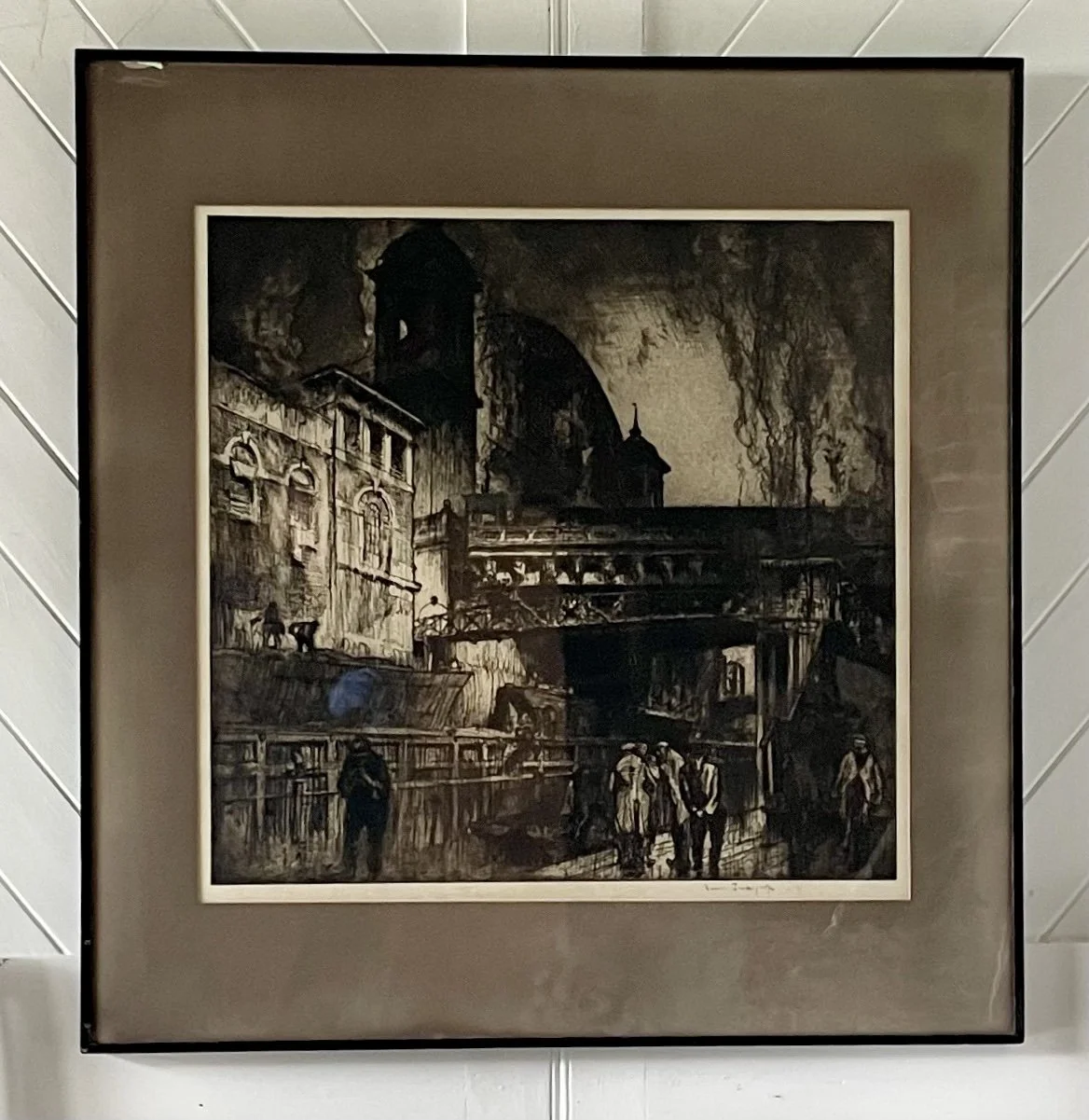 Image 1 of 8
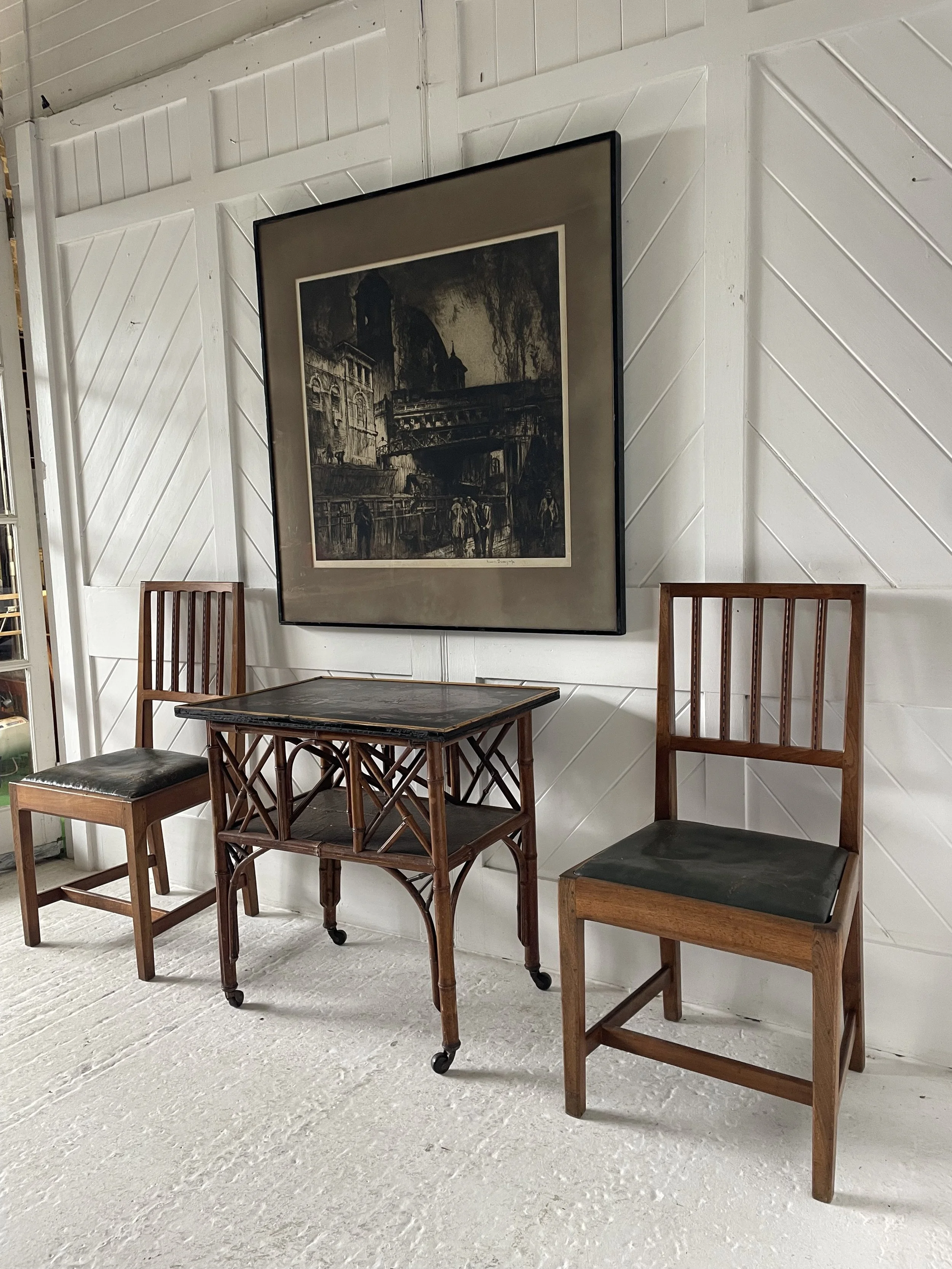 Image 2 of 8
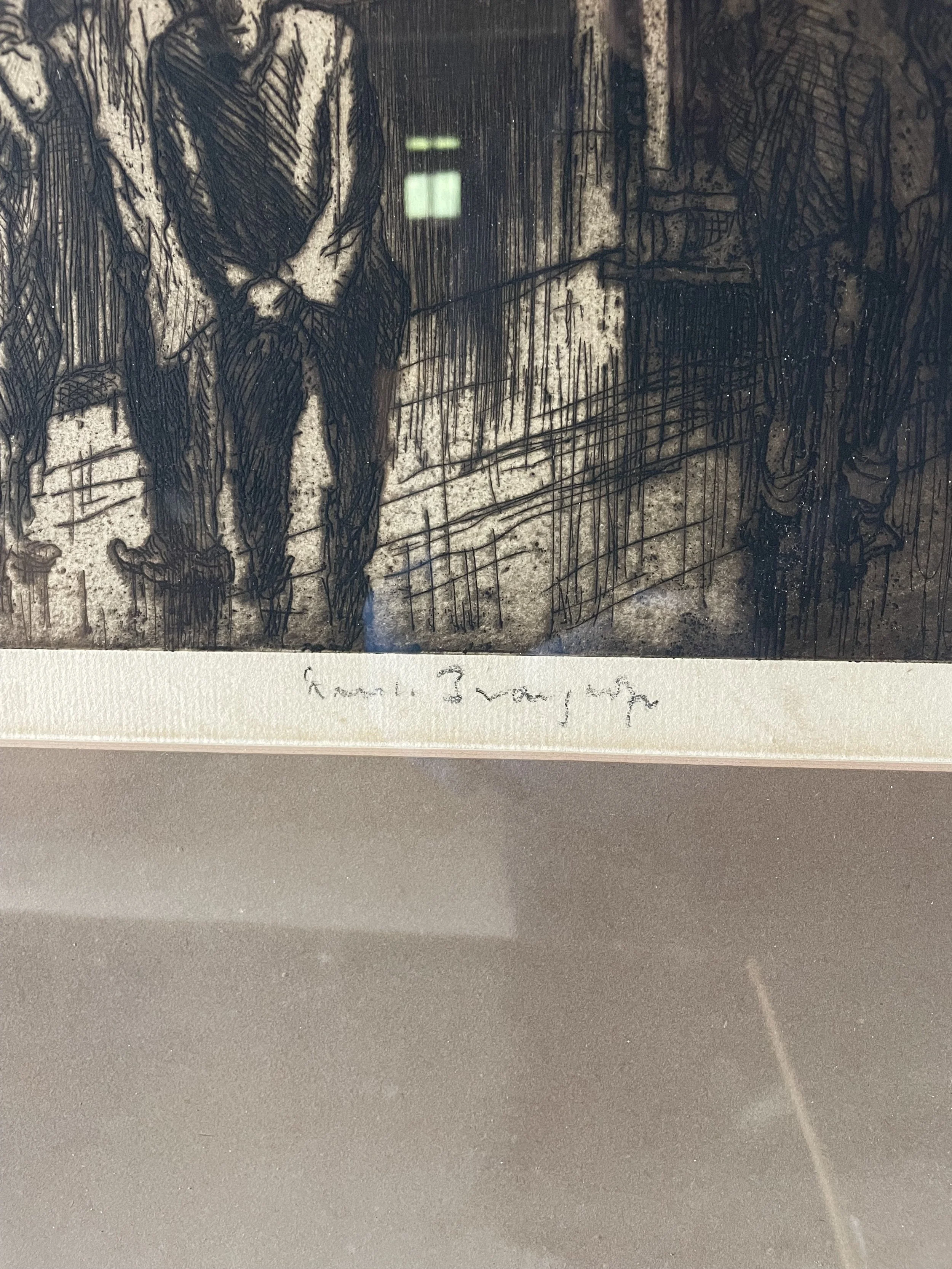 Image 3 of 8
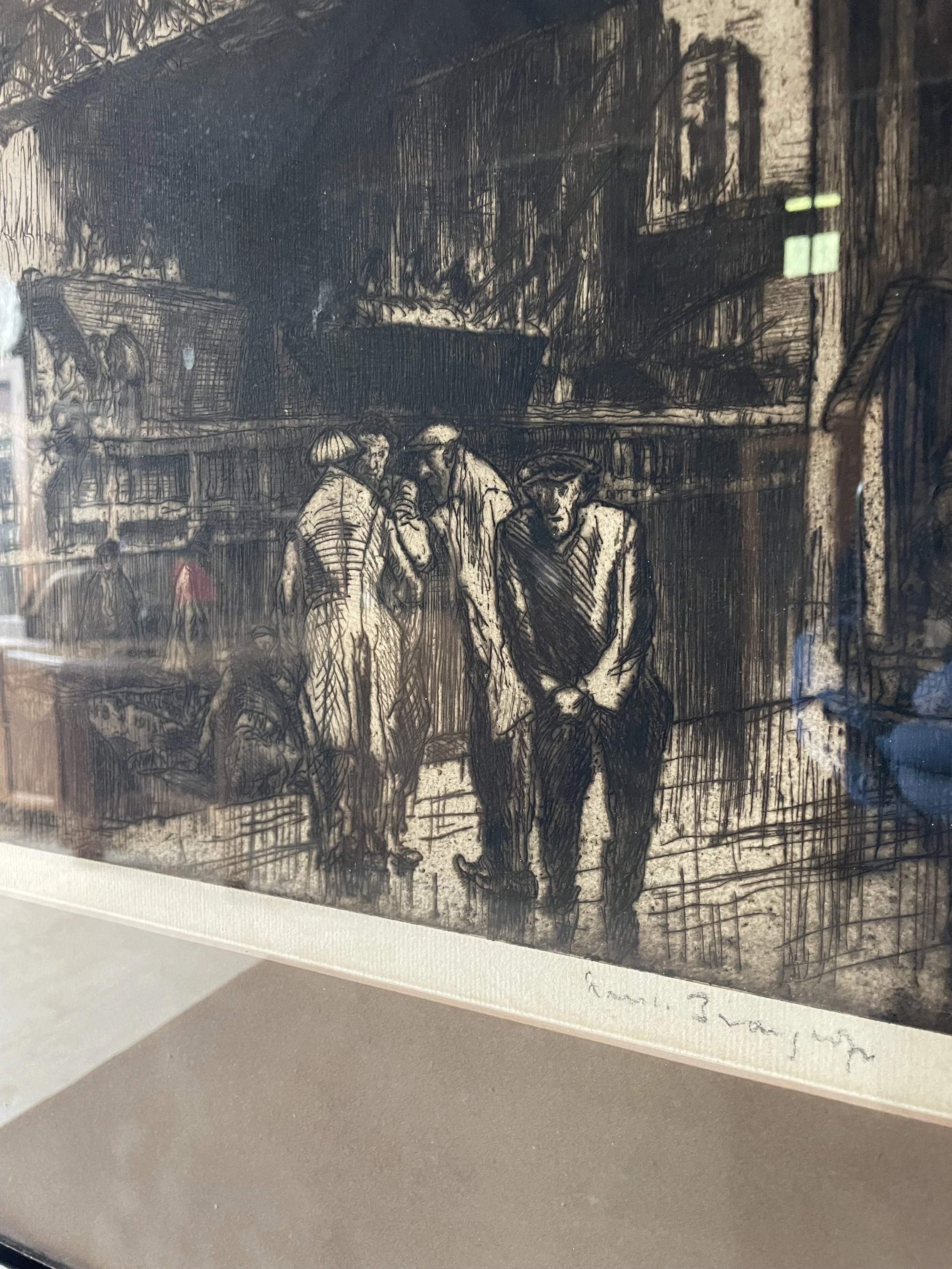 Image 4 of 8
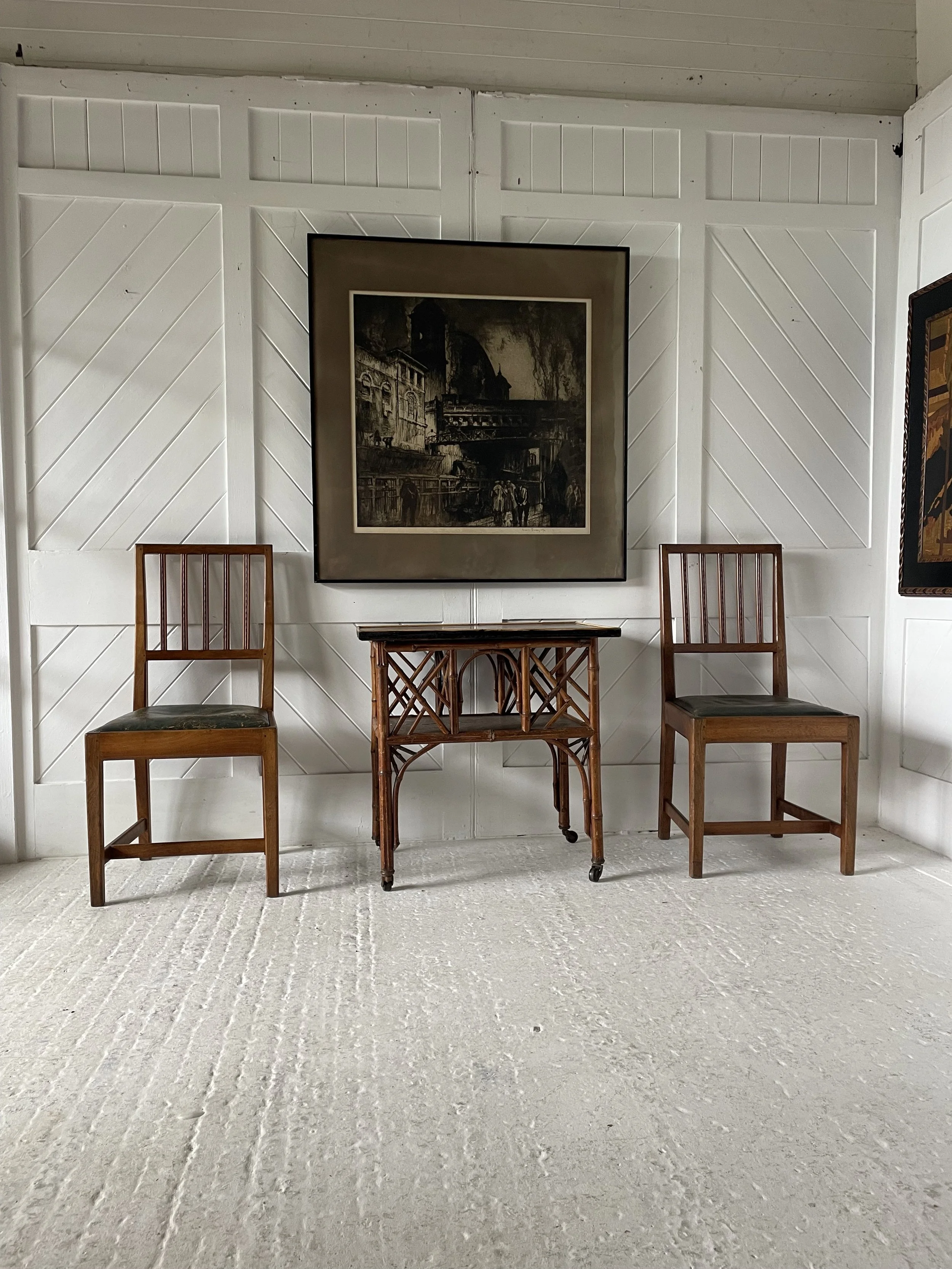 Image 5 of 8
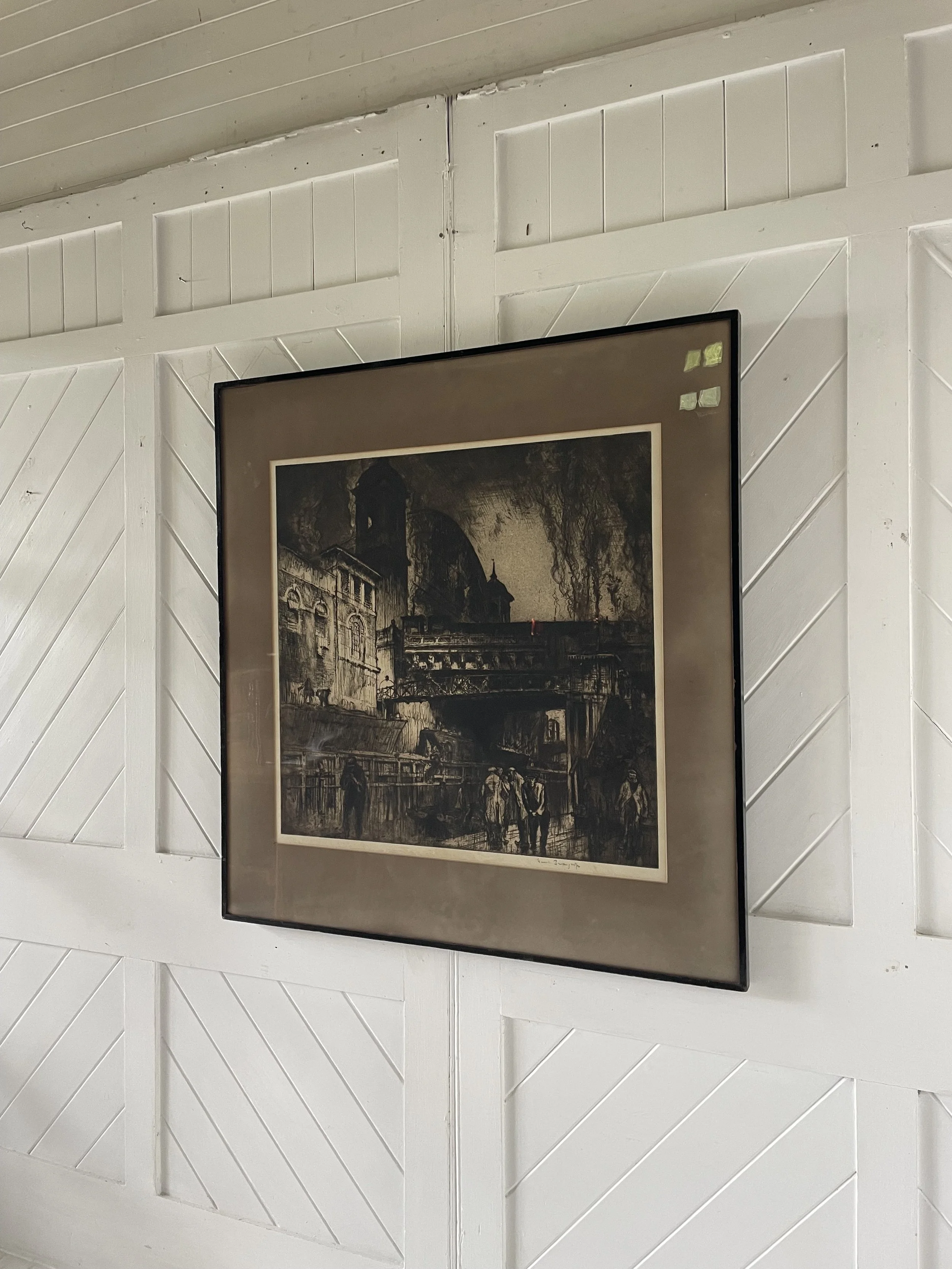 Image 6 of 8
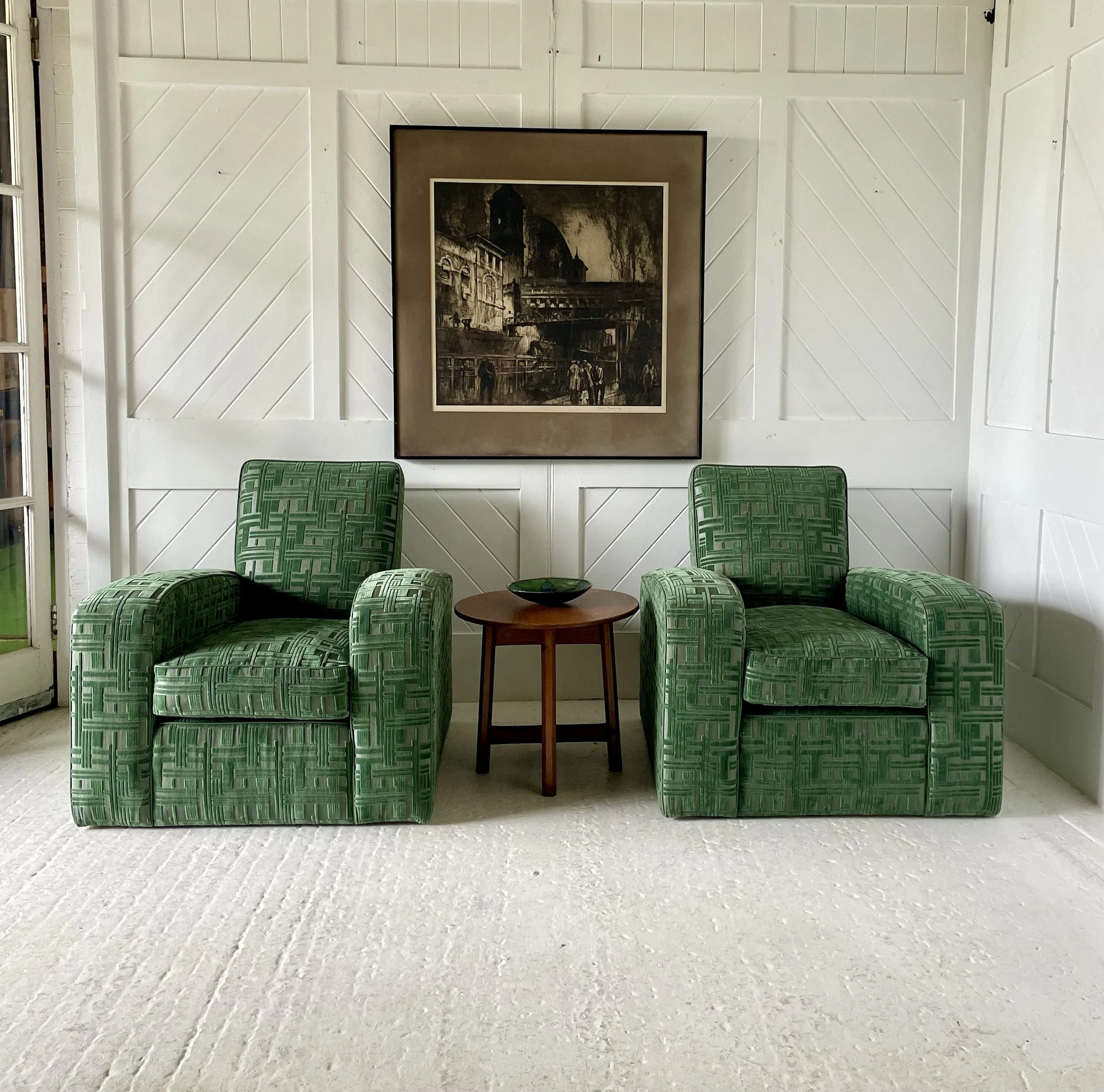 Image 7 of 8
 Image 8 of 8